The territorial conflict between Thailand and Cambodia escalated into a second day of intense fighting, with both nations deploying additional troops and heavy weaponry along contested border areas. The clashes have drawn global concern as regional leaders urge restraint and immediate diplomatic engagement.
Military sources report that artillery exchanges and firefights have continued, leading to casualties among soldiers and threatening civilian safety. Both nations accuse each other of violating previous agreements, and tensions remain high as reinforcements arrive in strategic positions.
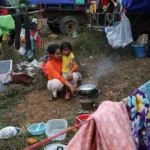
Local communities are increasingly affected, with residents forced to evacuate to safer areas. Temporary shelters are overwhelmed, and humanitarian organizations are working under pressure to provide emergency assistance. International bodies have emphasized the need to avoid escalation, warning that prolonged fighting could have far-reaching consequences for regional trade and economic stability.
Political analysts note that the conflict reflects unresolved historical issues, including territorial claims and border demarcation disputes. Attempts at mediation in the past have yielded temporary ceasefires, but mistrust persists on both sides. Experts argue that renewed dialogue is essential to prevent a larger military confrontation.
Thailand and Cambodia have both reaffirmed their commitment to sovereignty while asserting the necessity of protecting civilians in conflict zones. Emergency relief measures are being implemented, including distribution of food, water, and medical aid. However, the scale of displacement and disruption has strained resources, making international support critical.
Observers also warn that border conflicts, if unchecked, can affect regional alliances and security arrangements within Southeast Asia. Neighboring countries have urged calm and expressed readiness to assist in mediation efforts.
As fighting continues, international organizations stress the importance of immediate humanitarian intervention to address the needs of displaced populations. They call on both governments to prioritize dialogue over military escalation and work toward a peaceful resolution.