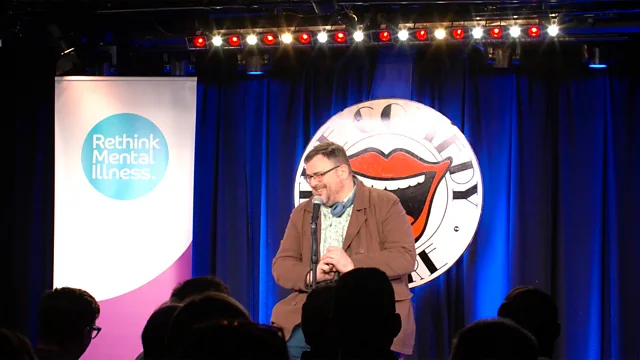
Laughter may be one of the most underrated forms of therapy, and new research suggests that performing stand-up comedy can deliver measurable mental and physical health benefits. Beyond entertaining audiences, comedians often experience improved emotional resilience, stress relief, and social connection.
Psychologists explain that stand-up comedy requires emotional processing, self-reflection, and vulnerability. By transforming personal struggles into humor, performers can reframe negative experiences, reducing anxiety and depressive symptoms.
Studies have shown that laughter triggers the release of endorphins, lowers cortisol levels, and boosts immune response. For performers, the act of making others laugh can amplify these effects, creating a powerful feedback loop of positivity.
Comedy clubs and workshops are increasingly being used as informal therapeutic spaces, welcoming individuals with no professional ambitions who simply want to express themselves. Mental health advocates argue that structured creative outlets like comedy can complement traditional treatment approaches.
However, experts caution that comedy is not a substitute for professional care, particularly for serious mental health conditions. Instead, it should be viewed as a supportive tool that encourages connection and emotional release.
As society becomes more open about mental health, stand-up comedy is emerging not just as entertainment, but as a meaningful pathway to well-being.