The Democratic Alliance (DA) has welcomed the establishment of a new Presidency committee, describing it as a potential turning point for South Africa’s governance landscape—provided it leads to meaningful action, transparency, and accountability. The committee, announced by the Presidency earlier this week, is tasked with strengthening coordination, improving service delivery, and resolving bureaucratic inefficiencies across government departments.
According to the DA, South Africa urgently needs structural reforms to reverse years of administrative stagnation, corruption scandals, and weakened institutional performance. Party leaders say the committee could offer a chance to restore public trust—if it adopts a results-driven approach and avoids becoming another symbolic body with no real impact.
In a statement, the DA emphasized that the committee’s success will depend on its ability to monitor departmental performance, enforce consequences for failures, and prioritize the needs of ordinary South Africans. The party highlighted persistent issues such as collapsing municipal services, load shedding, crime, failing infrastructure, and unemployment as areas requiring immediate intervention.
The DA also stressed the importance of transparency, arguing that the committee’s work must be accessible to the public to ensure accountability. Without open communication, the party warns, South Africans may view the committee as another layer of bureaucracy rather than a meaningful reform mechanism.
Political analysts say the establishment of the committee signals the government’s recognition that conventional approaches to governance have fallen short. However, they caution that similar initiatives in the past have failed due to political interference, weak enforcement, and lack of follow-through.
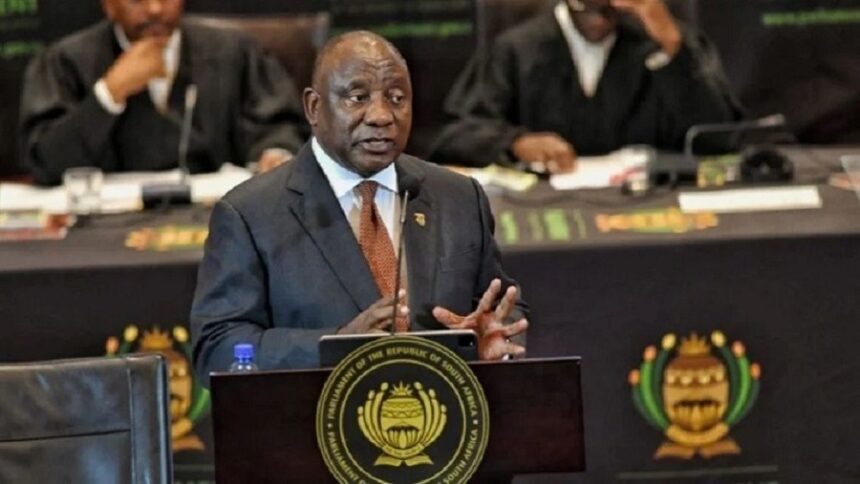
The DA has urged President Cyril Ramaphosa to empower the committee with clear authority, measurable goals, and strict timelines. The party says the committee should not merely coordinate discussions but actively intervene when government departments fail to deliver. It also called for independent oversight to ensure that the committee does not become politicized.
In addition, the DA argued that the committee must prioritize combating corruption, which it described as a core barrier to development and economic recovery. Strengthening law enforcement bodies, ensuring merit-based appointments, and implementing clean-governance practices are among the measures it wants the committee to advance.
Government insiders say the committee will focus initially on improving cooperation between ministries and speeding up stalled projects. It is also expected to play a role in monitoring service delivery performance at provincial and municipal levels.
While the Presidency has expressed optimism about the initiative, critics warn that without genuine political will, the committee may struggle to effect real change. They argue that South Africa’s governance challenges stem not only from technical shortcomings but from systemic issues, including factional conflicts and weak oversight structures.
For now, the DA says it will monitor the committee’s work closely and advocate for bold, transparent reforms. If implemented effectively, the party believes the committee could become a “game-changer” in restoring efficient governance and rebuilding public confidence.