The Democratic Republic of Congo (DRC) is facing its most severe cholera outbreak in a quarter of a century, UNICEF has warned, as aid organizations struggle to contain the fast-spreading disease amid worsening humanitarian conditions. The outbreak, now affecting numerous provinces simultaneously, has raised urgent concerns about the country’s fragile healthcare system, population displacement, and a growing shortage of clean water.
UNICEF officials report that tens of thousands of suspected cholera cases have emerged in recent months, with children making up a significant proportion of infections. The agency says the current situation is “unlike anything seen in more than 25 years,” noting that the combination of conflict, displacement, and collapsing sanitation infrastructure has created conditions ripe for the disease’s rapid spread.
According to international health workers, overcrowded displacement camps are among the hardest-hit areas. Families forced to flee violence are living in temporary shelters lacking access to clean drinking water and proper hygiene facilities. In some camps, dozens of people share a single water point, increasing the risk of contamination. Medical teams say they are struggling to isolate patients and distribute essential supplies as insecurity continues to hamper humanitarian access.
UNICEF emphasized that cholera, a waterborne bacterial infection, is entirely preventable with adequate sanitation and clean water access. However, in the DRC, years of conflict have severely limited the government’s ability to maintain essential infrastructure. Heavy rainfall and flooding have further contaminated water sources, overwhelming already fragile health services.
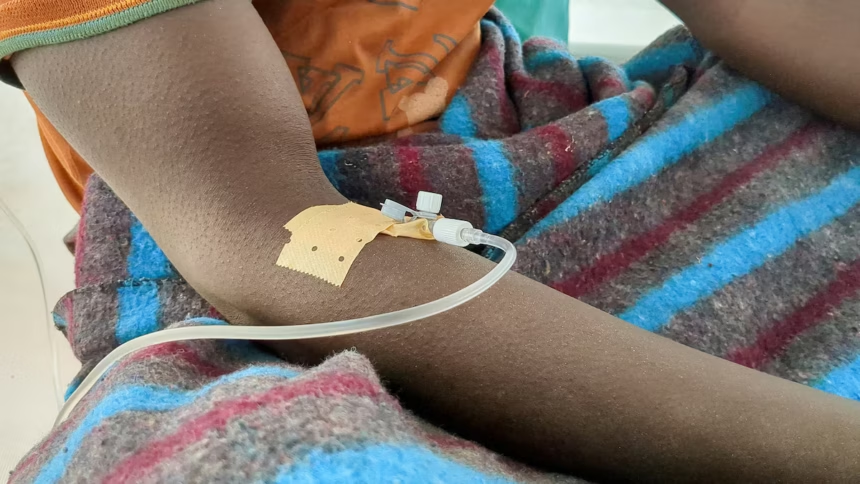
The agency has appealed for additional international support to expand vaccination campaigns, distribute hygiene kits, and improve access to safe water. Several humanitarian groups also report shortages of oral rehydration salts and IV fluids, essential for treating severe dehydration caused by the disease. Health experts warn that without urgent reinforcements, the outbreak could escalate even further.
The Congolese government, working alongside the World Health Organization (WHO) and international partners, has launched an emergency response plan that includes rapid testing, treatment centers, and public awareness campaigns. However, officials admit that resources remain inadequate given the scale of the crisis.
Communities in affected regions are being encouraged to boil water, wash hands regularly, and seek immediate medical care if symptoms appear. Volunteers and community health workers are disseminating information in local languages to ensure maximum public awareness.
As the outbreak continues to spread, UNICEF has reiterated its call for long-term investment in the country’s water and sanitation infrastructure. Aid workers stress that while emergency interventions can save lives now, only sustained development and lasting stability can prevent similar crises in the future.