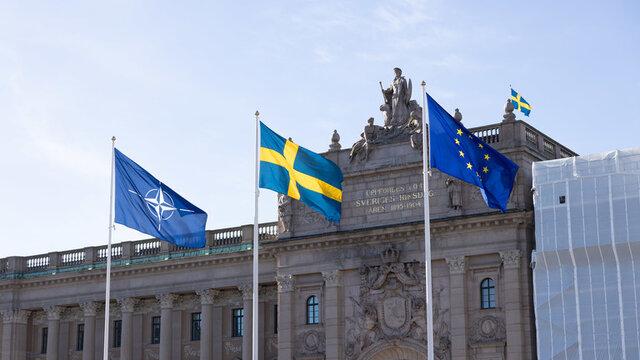
In a significant policy shift reflecting the evolving geopolitical tensions of the past two years, an EU member state has announced plans to redirect portions of its development aid budget away from African nations and toward Ukraine. The move highlights how the war in Eastern Europe continues to reshape international funding priorities, prompting concern among development experts who warn that African communities may face deeper vulnerabilities as a result.
Officials familiar with the matter say the decision stems largely from Ukraine’s urgent financial needs as it rebuilds key infrastructure amid continued Russian military pressure. With European institutions calling for increased long-term support for Kyiv, several governments have begun reassessing how existing aid budgets can be allocated more strategically. The state in question has argued that helping Ukraine stabilize economically and socially is essential to broader European security.
However, the shift has triggered criticism from humanitarian groups, who argue that diverting funds from Africa risks undermining progress in regions already grappling with poverty, conflict, and climate-driven crises. Many African nations rely heavily on European funding to support healthcare systems, education, water infrastructure, and food security programs. Aid analysts warn that changes of this scale can have ripple effects, especially in countries facing acute humanitarian emergencies.
African leaders have also reacted cautiously, noting that while support for Ukraine is understandable, it should not come at the expense of longstanding commitments to the Global South. Several diplomats have privately expressed frustration, arguing that Europe has a responsibility to maintain balanced international partnerships and avoid policies that deepen inequality.
Observers say the shift reflects a broader trend: European governments now see Ukraine’s stability as directly tied to the continent’s political future, while Africa’s crises—though severe—are viewed as longer-term and less strategically urgent. Critics warn that this mindset is shortsighted, as neglecting African development could eventually fuel migration flows, instability, and economic disruption that affect Europe.
The EU Commission has so far avoided direct comment, emphasizing that development aid remains a shared responsibility among member states. Still, analysts believe more governments may adopt similar approaches in the coming year, especially as domestic financial pressures shape political decision-making.