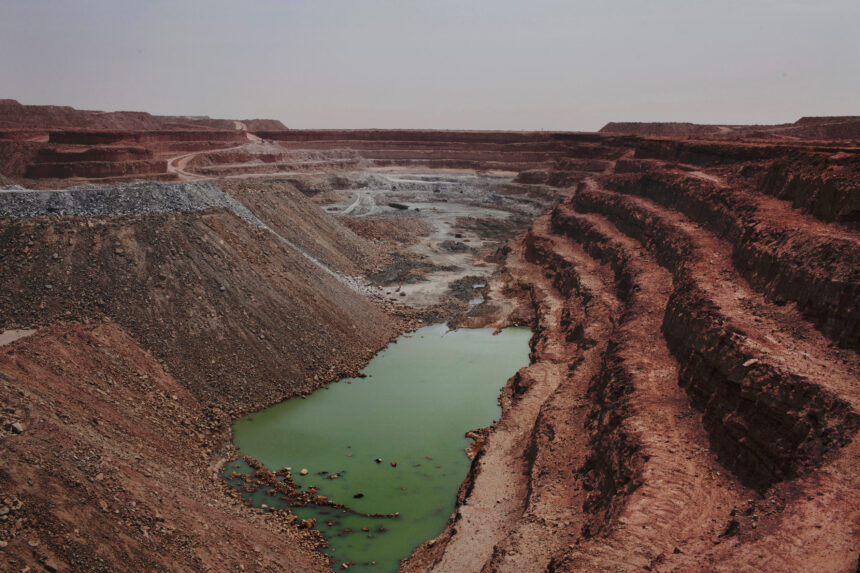
Niger’s military-led government has issued a sharp accusation against France’s nuclear fuel giant Orano, alleging that the company’s long-running uranium mining operations have caused radioactive pollution in the northern region of the country. The claim adds a new layer to the already fraught relations between Niamey and Paris following the 2023 coup and Niger’s subsequent push to remove French military influence.
Officials from Niger’s Ministry of Mines say that environmental inspections carried out near Arlit — the hub of Orano’s uranium activities — revealed contamination levels above acceptable safety limits. According to the government, the pollution threatens local communities, livestock, and long-term soil health.
The statement marks the most forceful public accusation yet by Niger’s new authorities, who have repeatedly criticized Western companies for what they view as decades of inequitable resource extraction.
A Deepening Rift Between Niger and France
Orano operated in Niger for more than 50 years, extracting uranium used to power nuclear plants in France. But after the 2023 military takeover, the junta began reassessing contracts signed with Western firms, accusing several of exploiting Niger’s natural resources while offering minimal benefit to local populations.
The government alleges that Orano failed to properly decontaminate older mining sites and allowed radioactive waste to remain exposed. Orano, however, strongly denies the accusations, insisting its operations meet international environmental standards and are monitored regularly by independent regulators.
Tensions escalated further when Niger’s ruling military leaders demanded a renegotiation of mining contracts, prompting Orano to suspend certain operations. Analysts say the latest allegations may be tied to these disputes, reflecting pressure by Niger to assert greater sovereignty over its mineral wealth.
Health and Safety Concerns for Local Communities
Environmental advocates have long highlighted pollution risks near Niger’s uranium mines. Local residents have reported increasing health problems, including respiratory issues and unexplained illnesses, though official scientific links remain limited.
According to Nigerien officials:
-
Soil samples near waste storage areas showed elevated radiation
-
Certain water sources tested positive for contaminants
-
Some abandoned mining pits were not properly sealed
Human rights groups say the government’s claims highlight decades of inadequate oversight and insufficient transparency from multinational companies operating in Africa’s extractive sector.
France Reacts with Caution
Paris has not issued a formal response but is monitoring the situation closely. Given the geopolitical tensions between France and Niger — including the expulsion of French troops — analysts expect Orano’s dispute to evolve into a broader diplomatic challenge.
What Comes Next?
Niger says it plans to:
-
Conduct a full environmental audit
-
Launch an investigation into Orano’s waste management
-
Potentially pursue legal action under international environmental law
The junta insists that foreign mining companies must comply with new regulatory standards and respect Niger’s right to safeguard its natural environment.
For now, Orano remains one of the largest foreign industrial presences in the country — but its long-term future in Niger appears increasingly uncertain as the political climate shifts and environmental scrutiny intensifies.