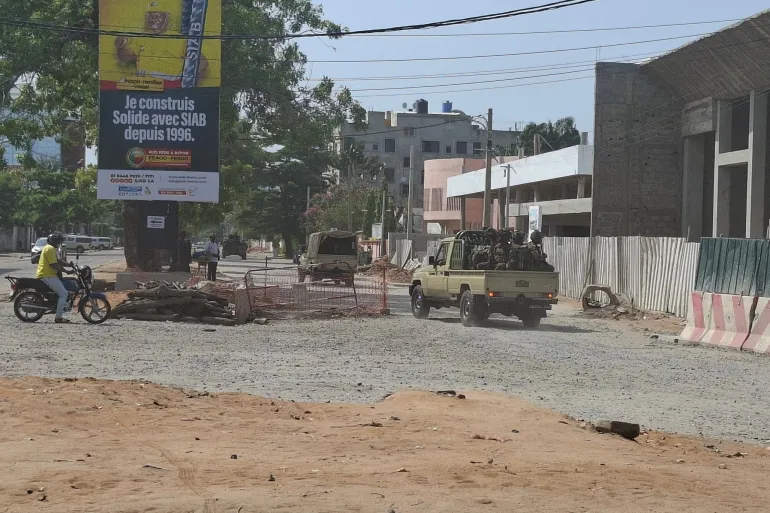
Nigeria has confirmed that it deployed fighter jets and elite ground troops to neighboring Benin to help “dislodge and neutralize” alleged coup plotters who attempted to overthrow the Beninese government earlier this week. The rare cross-border security cooperation highlights growing regional fears that another political upheaval in West Africa could deepen instability at a time when multiple nations in the region are already struggling with coups, insurgencies, and economic pressures.
According to senior Nigerian defense officials, the intervention occurred after Benin urgently requested military support as intelligence reports revealed that armed factions were preparing to storm key state institutions in Cotonou. Nigerian Air Force aircraft reportedly flew high-altitude surveillance missions over sensitive areas while special forces units were placed on standby along the border to prevent armed groups from escaping or receiving reinforcements.
Nigeria’s Ministry of Defence stated that the deployment was carried out under existing security cooperation agreements between the two countries, emphasizing that Abuja acted in defense of “constitutional order, democratic governance, and regional stability.” Officials insisted that the mission was limited, precise, and concluded within hours, with no Nigerian personnel entering urban centers or engaging in direct confrontation unless necessary.
Regional analysts believe Nigeria’s decisive response reflects Abuja’s growing concern that coups in neighboring states — including Niger, Burkina Faso, Guinea, and Mali — could trigger a domino effect that destabilizes the entire Gulf of Guinea corridor. Nigeria is also wary of threats spilling over into its own borders, where it already battles insurgencies, banditry, and separatist movements.
Benin, traditionally viewed as one of West Africa’s more stable democracies, shocked observers when the government announced that a group of dissident soldiers and civilians attempted to seize power. Nigerian officials say their intelligence teams had been tracking unusual movements and communication patterns among the plotters, and that Benin’s request aligned with their own security assessments.
International reaction to Nigeria’s intervention has been largely positive. The African Union and ECOWAS praised Abuja for acting swiftly to preserve constitutional rule, especially at a time when the West African bloc faces criticism for its declining influence over the region’s political crises. Western diplomats also noted that Nigeria’s support could serve as a deterrent to future coup attempts in neighboring states.
However, critics within Nigeria have questioned the transparency of the operation, urging the government to clarify the scope, duration, and legal basis of its involvement. Others argue that while regional peacekeeping is important, Nigeria should not commit military resources abroad while domestic security challenges remain unresolved.
Despite such concerns, both countries insist that the cooperation was necessary and successful. Benin’s leadership has expressed gratitude for Nigeria’s rapid assistance, while Abuja says the operation demonstrates its commitment to preventing further political turmoil in West Africa. As investigations continue in Benin, security analysts warn that regional governments must strengthen intelligence coordination and address internal grievances to avoid similar threats in the future.