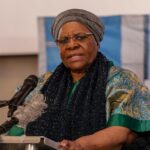
The United States is set to host the upcoming G20 Sherpas meeting in December, marking a significant diplomatic gathering as nations prepare for the next G20 summit. Notably, South Africa, a key member of the G20, will not participate in this preparatory meeting, raising questions about the implications for the group’s deliberations and global economic discussions.
G20 Sherpas are senior officials from member countries tasked with preparing agendas, negotiating policy frameworks, and coordinating priorities ahead of the main summit attended by heads of state. These meetings are crucial as they set the stage for final decisions on global economic, financial, and geopolitical issues. The December gathering in the United States is expected to focus on pressing matters including sustainable development, climate change, global economic stability, and international trade regulations.
While the absence of South Africa from the Sherpas meeting is unusual, it does not remove the country from the G20 framework. South African officials have stated that logistical and domestic scheduling challenges prevented participation this time. Experts suggest that while their absence may slightly limit representation in pre-summit discussions, it is unlikely to undermine their influence during the main summit itself.
Diplomatic analysts note that the United States hosting the Sherpas meeting underscores its ongoing role as a central player in global economic governance. Hosting such gatherings provides the US an opportunity to shape discussions on critical topics such as global supply chains, energy security, and financial reforms. Moreover, it signals a commitment to maintaining leadership in multilateral forums amidst rising challenges, including geopolitical tensions and economic uncertainties worldwide.
The G20, established in 1999, comprises 19 countries and the European Union, representing the world’s largest economies. It serves as a platform for coordination on international financial policies, sustainable economic growth, and crisis management. Sherpas meetings, which typically occur multiple times ahead of the annual summit, are critical for aligning member states’ positions and ensuring a smooth decision-making process.
South Africa’s temporary absence may also highlight broader challenges within the G20 framework. Developing nations sometimes face difficulties participating in multiple international meetings due to logistical constraints, budgetary considerations, or domestic political priorities. Nevertheless, the country continues to advocate for issues such as equitable access to resources, climate finance, and inclusive economic development during the main summit, ensuring its perspectives are represented in global policy-making.
As the December meeting approaches, the international community will closely monitor outcomes from the US-hosted discussions. Key topics expected to dominate the agenda include global economic recovery post-pandemic, sustainable energy transition, debt relief initiatives for developing nations, and the future of digital currencies in international trade. Outcomes from the Sherpas meeting will shape the preparatory documents and negotiation frameworks that guide the G20 summit itself.
In conclusion, while South Africa’s absence from the US-hosted G20 Sherpas meeting is notable, it does not diminish the country’s role within the G20. The December gathering will remain a critical forum for addressing urgent global challenges and ensuring cooperation among the world’s largest economies. As nations convene in the United States, observers anticipate a productive dialogue that balances economic growth, sustainability, and equitable development across member states.