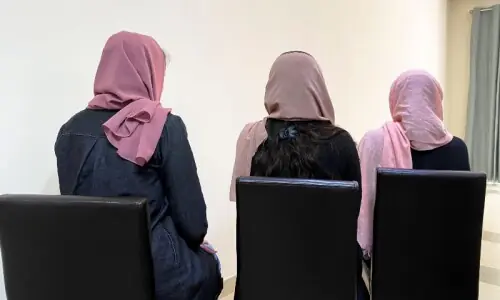
The United Nations has once again called on the Taliban administration to immediately lift the ban preventing Afghan women from working in UN offices and partner humanitarian organizations, labeling the restriction a direct violation of international human rights standards and a severe obstacle to relief operations.
The ban, imposed last year, has drawn global condemnation from human rights groups, donor countries, and international institutions. UN officials argue that without Afghan women staff, humanitarian missions cannot operate effectively, especially in programs that require direct engagement with women and children—groups most vulnerable amid Afghanistan’s ongoing economic and social collapse.
In a strongly worded statement, the UN said that excluding women from aid and administrative roles has crippled efforts to deliver food assistance, medical care, maternal health services, education support, and livelihood programs. More than 28 million Afghans currently rely on humanitarian help, and the absence of female staff has created logistical and cultural barriers that male workers cannot overcome.
Taliban representatives, however, insist the policy aligns with their interpretation of Islamic values. UN envoys counter that numerous Muslim-majority countries allow women to work in public life without violating religious principles. International human rights observers have warned that Afghanistan risks irreversible damage to its social fabric if the restrictions remain in place.
Humanitarian agencies have also reported rising malnutrition rates, school dropout spikes among girls, and growing mental health issues linked to severe gender restrictions. The UN called on member states to increase diplomatic pressure, arguing that inclusive participation is essential for Afghanistan’s long-term development.