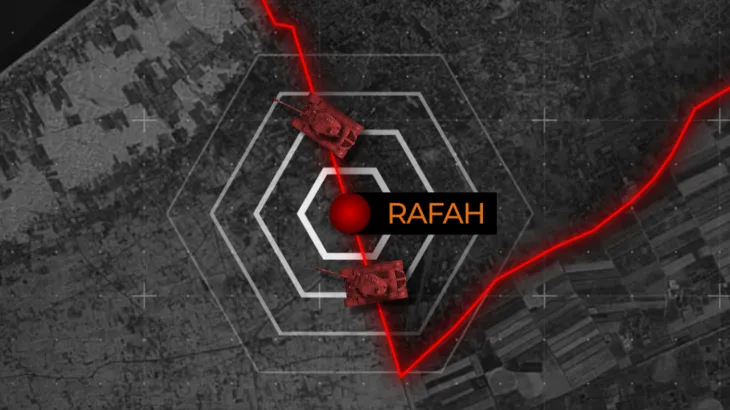
The Rafah crossing, a key gateway between Gaza and Egypt, has become a focal point of international attention amid the ongoing humanitarian crisis in the Gaza Strip. Control of the crossing has shifted multiple times in recent years, creating uncertainty for civilians, aid agencies, and governments seeking access to the region.
Currently, Egyptian authorities operate the crossing in coordination with Palestinian security officials, though the situation remains tense. The crossing is the primary exit and entry point for people and humanitarian supplies, making it strategically and politically significant.
Egyptian officials have periodically opened Rafah to allow humanitarian convoys, medical evacuations, and limited travel, often under strict security and logistical conditions. However, the crossing remains subject to closure during periods of heightened tension, limiting access for thousands of civilians.
Israel’s blockade of Gaza further complicates the situation. While Israel controls most other crossings, Rafah provides the only route not directly under Israeli authority, making it critical for aid agencies. The UN and other organizations have repeatedly called for uninterrupted access to prevent worsening humanitarian conditions, particularly for hospitals, schools, and shelters.
Control over Rafah is also influenced by internal Palestinian politics. The Palestinian Authority and Hamas maintain competing authority claims, occasionally affecting coordination with Egyptian authorities and international organizations. Political tensions often delay approvals for crossings, even in emergencies.
Analysts note that Rafah serves not only as a humanitarian corridor but also as a geopolitical tool, with regional actors leveraging its status to exert influence on Gaza’s administration. Egypt, in particular, has used the crossing to mediate between Gaza’s leadership and international stakeholders.
Ensuring reliable operation of Rafah remains a pressing challenge. The UN has emphasized that uninterrupted access is essential for delivering aid, evacuating medical cases, and supporting civilians in Gaza. Without cooperation between Egypt, Palestinian authorities, and international agencies, thousands of people will continue to face shortages of food, medicine, and essential services.