A military coup in Guinea-Bissau forces immediate and fraught questions about governance, security, and the country’s fragile democratic trajectory. Historically prone to instability, the West African state’s political future after any coup depends on the junta’s intentions, regional and international response, institutional resilience, and the ability of civil society to push for a return to constitutional order.
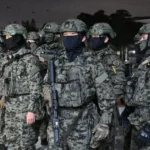
In the immediate aftermath of a coup, three dynamics typically unfold. First, the junta consolidates control: it secures key government buildings, neutralizes potential resistance, and installs interim leadership. Second, the security environment becomes unpredictable: rival factions may mobilize, while ordinary citizens worry about public services and economic disruption. Third, regional and international actors respond—often condemning the seizure of power, imposing sanctions, or calling for a negotiated transition.
Guinea-Bissau’s vulnerabilities increase the stakes. Chronic political fragmentation, a history of military interventions, and recurring institutional weaknesses mean that coups can become self-perpetuating unless decisive action prevents normalization. The national electoral calendar and the status of democratic institutions — notably the electoral commission, judiciary, and legislature — will influence prospects for a return to civilian rule.
Regional bodies such as ECOWAS commonly play an outsized role in such crises. They may mediate negotiations, deploy diplomatic pressure, or impose travel and financial sanctions aimed at restoring constitutional order. International partners—EU, UN, and bilateral donors—often condition assistance on progress toward elections and civilian governance. These levers can be effective but require coordinated diplomacy and credible enforcement.
A key near-term priority is stability: ensuring essential services, preventing human rights abuses, and safeguarding civilians. Coups often disrupt public administration, deter investment, and deepen poverty. For Guinea-Bissau, whose economy depends on agriculture and fishing, prolonged instability could erode livelihoods quickly.
Re-establishing an inclusive political pathway is the longer-term challenge. That pathway may take various forms: rapid transition to elections under international supervision, a transitional government comprising civilian and military figures with a firm timetable, or regrettably, protracted military rule. Civil society, opposition parties, and traditional leaders can be pivotal in insisting on a clear roadmap and monitoring any transitional arrangements.
Internationalized legal responses—like targeted asset freezes against coup leaders—can deter further entrenchment, but without domestic buy-in and legitimate institutions, external pressure has limits. Sustainable recovery requires rebuilding public institutions, strengthening civil oversight over the military, professionalizing security forces, and addressing root causes such as elite competition and weak public sector capacity.
In short, Guinea-Bissau’s trajectory after a coup is not predetermined. It will depend on how effectively domestic actors mobilize for constitutional restoration, how robustly regional and international bodies enforce consequences, and whether a credible transitional plan is negotiated that leads to transparent, inclusive elections. The international community’s focus should be on supporting mechanisms that restore civilian governance while mitigating humanitarian and economic fallout for ordinary citizens.