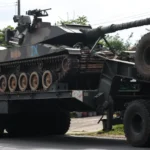
Thirty years after the Bosnian War, questions remain about how Europe witnessed some of its worst atrocities since World War II. The conflict, which erupted in the early 1990s following the breakup of Yugoslavia, exposed the deadly consequences of nationalism, political manipulation, and international inaction.
As Bosnia sought independence, ethnic divisions were inflamed by political leaders who weaponized fear. Civilians were rapidly turned into targets, with ethnic cleansing becoming a deliberate strategy. Towns were besieged, civilians imprisoned, and mass executions carried out under the watch of the world.
International institutions failed to act decisively. UN-declared “safe areas” proved tragically inadequate, most notably in Srebrenica, where thousands were killed despite the presence of peacekeepers. Delayed intervention allowed violence to escalate unchecked.
Propaganda played a critical role. Media outlets aligned with nationalist agendas dehumanized entire communities, making atrocities easier to justify. Once violence became normalized, accountability collapsed.
Three decades later, survivors continue to seek justice and recognition. War crimes tribunals have delivered convictions, but denial and revisionism persist. The Bosnian experience remains a warning of how quickly hatred can be mobilized—and how costly international hesitation can be.