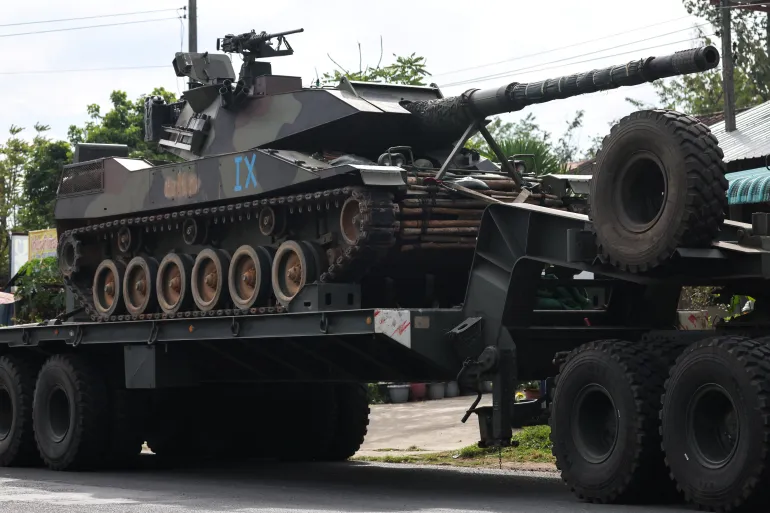
The fragile ceasefire between Thailand and Cambodia is showing signs of collapse as renewed clashes erupt along disputed border areas. Despite diplomatic announcements of restraint, underlying tensions have prevented lasting peace.
At the heart of the conflict lies a decades-old territorial dispute fueled by nationalism and unresolved border demarcation. While both governments publicly support de-escalation, local military commanders often operate under pressure from domestic political forces.
Mistrust remains deep. Each side accuses the other of ceasefire violations, using incidents to justify troop movements. Civilian displacement has continued, undermining confidence in peace commitments.
Regional mediation efforts have struggled to gain traction. ASEAN’s consensus-based approach limits enforcement power, while international attention remains divided among multiple global crises.
Analysts argue that without transparent monitoring mechanisms, clear communication channels, and political willingness to compromise, ceasefires risk becoming temporary pauses rather than genuine pathways to peace.
Until structural issues—border clarity, nationalist rhetoric, and military autonomy—are addressed, the Thailand-Cambodia ceasefire is likely to remain unstable, with civilians paying the highest price.