Israeli officials have acknowledged that recent assessments indicate the damage inflicted on Iran during earlier confrontations was less extensive than initially believed. The admission follows internal military reviews and intelligence reassessments, according to reports from Israeli media.
The revised evaluation suggests that Iranian military and strategic infrastructure proved more resilient than early estimates had indicated. Officials reportedly conceded that some targets were either partially damaged or quickly restored, limiting the long-term impact of the operations.
Security analysts say the reassessment highlights the challenges involved in accurately measuring battlefield outcomes, particularly in highly classified operations. It also underscores Iran’s ability to adapt and recover under sustained pressure.
The admission has sparked debate within Israel’s political and defense circles, with critics questioning whether earlier claims overstated operational success. Some commentators argue that inflated assessments can distort strategic planning and public understanding.
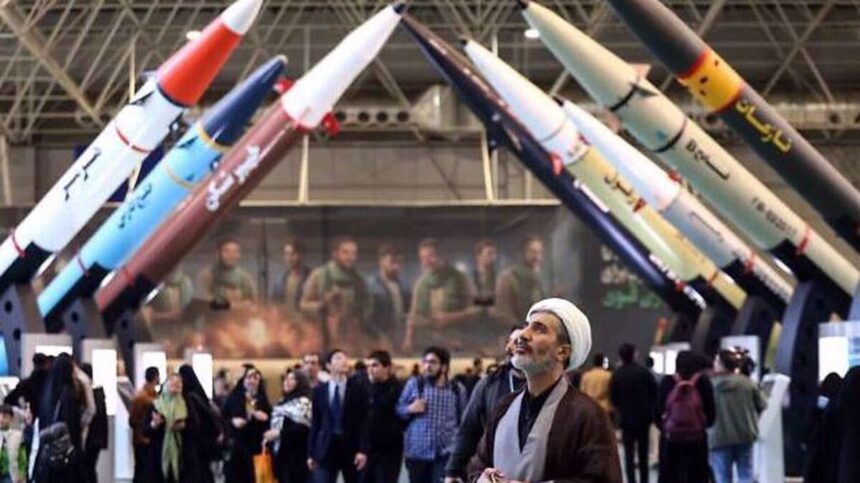
Iranian officials, meanwhile, have consistently maintained that their defensive systems and infrastructure remain intact, dismissing Israeli claims of significant damage as exaggerated. Tehran has repeatedly emphasized its ability to respond to any future aggression.
Regional analysts note that the acknowledgment may influence future military calculations on both sides, potentially affecting deterrence dynamics in the region. It also comes amid broader discussions about escalation risks and the need to avoid wider conflict.
While Israeli authorities have not released detailed figures, the shift in tone suggests a more cautious assessment of military effectiveness. Observers say the development highlights the importance of transparency and realistic evaluations in national security decision-making.