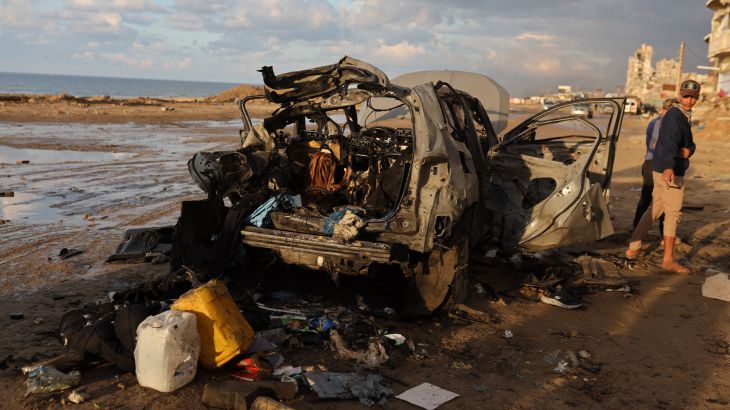
Israel has confirmed the killing of senior Hamas commander Raed Saad in Gaza, a development that threatens to further strain an already fragile ceasefire. The strike occurred amid rising tensions and mutual accusations of violations by both sides.
Israeli officials described Saad as a key operational figure within Hamas, alleging his involvement in planning attacks. The military said the operation was intelligence-driven and aimed at neutralizing immediate threats.
Hamas condemned the killing, calling it a deliberate escalation and warning that such actions undermine ceasefire commitments. The group accused Israel of acting in bad faith while negotiations over the next phase of the truce remain stalled.
Mediators expressed concern that the assassination could derail ongoing diplomatic efforts. Analysts note that targeted killings often trigger retaliatory cycles, making de-escalation more difficult.
For civilians in Gaza, the strike has heightened anxiety. Although large-scale bombardment has paused, residents fear a return to intense fighting. Aid agencies warn that renewed violence would further devastate already fragile living conditions.
The killing of Raed Saad underscores the volatility of ceasefire arrangements in Gaza, where unresolved political and security disputes continue to threaten any lasting calm.