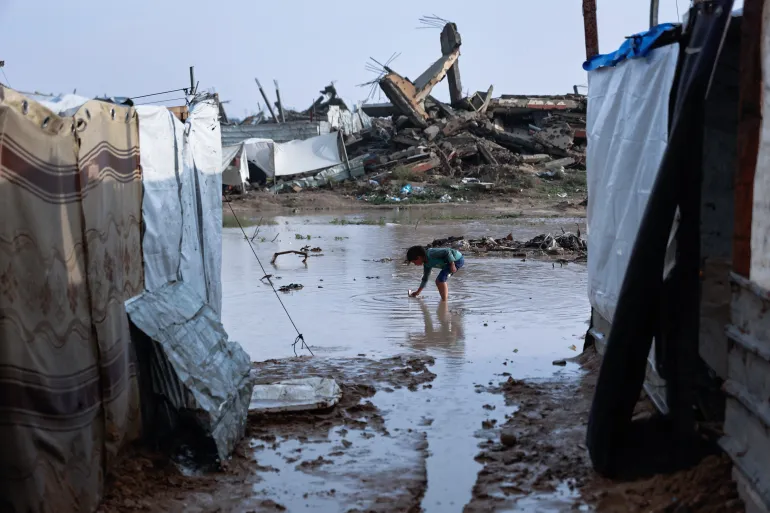
As Gaza experiences intermittent pauses in large-scale fighting, a grim “new normal” has emerged—one defined not by peace, but by chronic hardship, destruction, and uncertainty. For many residents, survival has replaced hope as daily life unfolds amid ruins.
Entire neighborhoods remain flattened, infrastructure is shattered, and access to clean water, electricity, and healthcare is severely limited. Even without constant bombardment, the absence of rebuilding and sustained aid has left civilians trapped in prolonged crisis.
Humanitarian workers warn that trauma is becoming deeply entrenched, particularly among children who have known little beyond displacement and fear. Schools, when functioning at all, operate in makeshift conditions, while hospitals struggle with shortages.
The term “new normal” has drawn criticism from aid groups, who argue it risks normalizing suffering. They stress that the current conditions are not sustainable and should not be accepted as an inevitable outcome.
International attention fluctuates, but for Gaza’s residents, the crisis is continuous. Without political solutions and meaningful reconstruction, observers warn that Gaza’s “new normal” may entrench instability for generations.