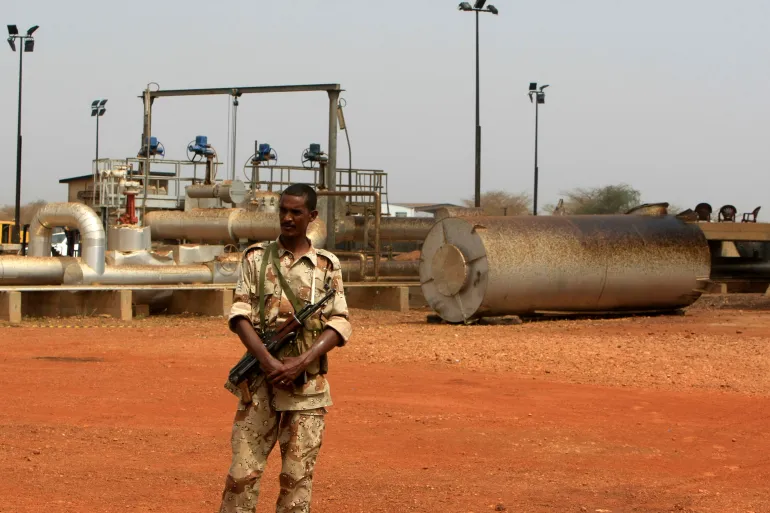
The reported capture of the Heglig oilfield by Sudan’s Rapid Support Forces (RSF) marks a potentially significant shift in the country’s devastating civil war, with major implications for military dynamics, economic survival, and regional stability.
Heglig is one of Sudan’s most strategic energy assets, providing critical revenue and fuel supplies. Control over the oilfield offers not just economic leverage but also symbolic power in a conflict increasingly defined by control of resources.
For the RSF, securing Heglig could strengthen its bargaining position while depriving rival forces of vital income. Analysts say this development may intensify fighting as opposing sides attempt to reclaim or defend strategic infrastructure.
Beyond the battlefield, the move deepens Sudan’s humanitarian crisis. Oil revenue that could support public services is instead being weaponized, while civilians continue to suffer from shortages of food, fuel, and medical supplies.
Regional actors are closely watching the situation, as instability around energy infrastructure could have cross-border implications. Diplomatic efforts to broker ceasefires have repeatedly failed, and the struggle for economic assets makes compromise even more difficult.
The capture of Heglig underscores a grim reality: Sudan’s war is no longer just a power struggle, but a battle over the country’s economic lifelines.